Paver Driveway Restoration With Polymeric Sand and Surface Cleaning
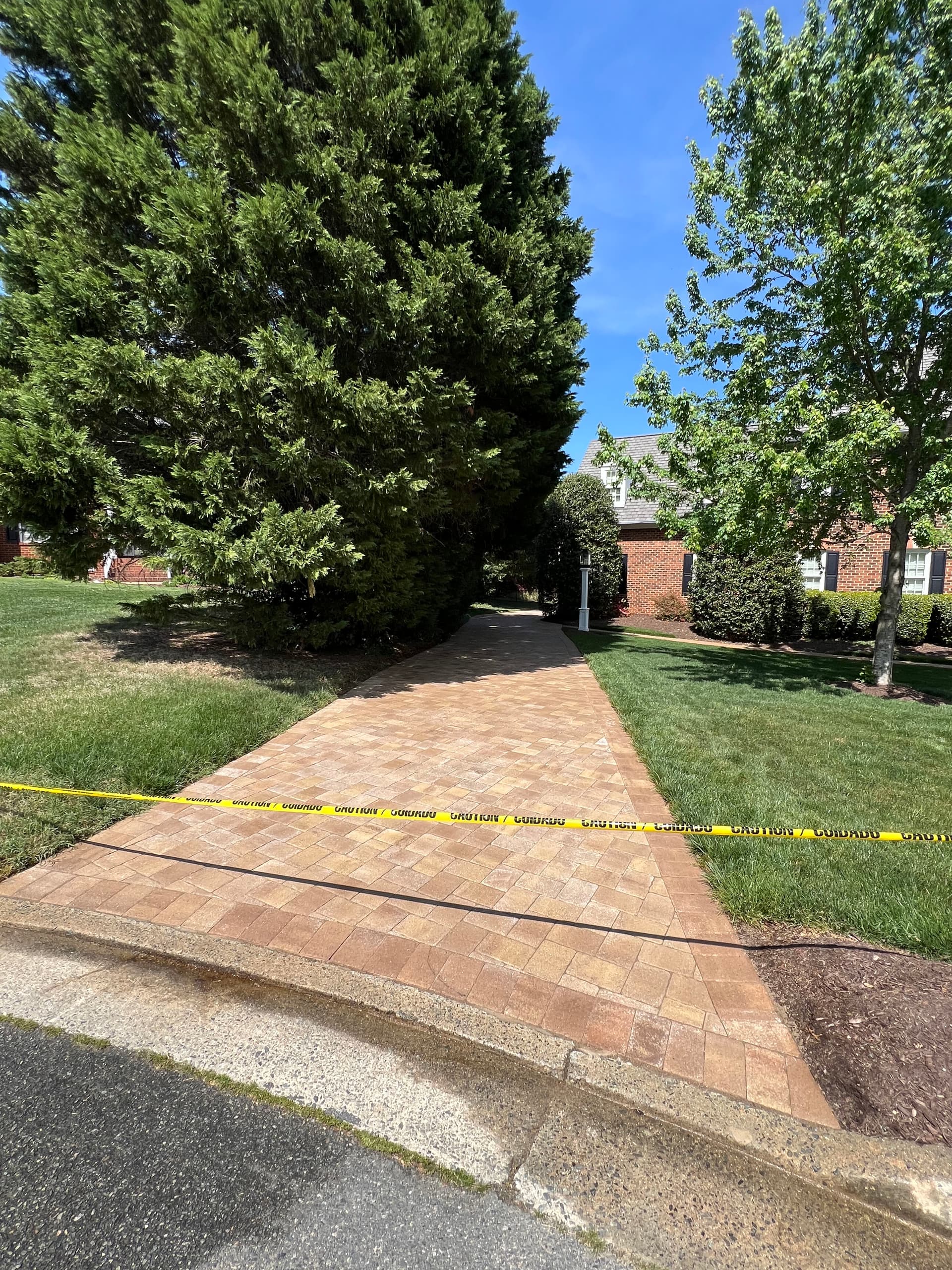
Paver driveways take a beating over time. The joint sand washes out, weeds start pushing through, and the surface picks up years of grime and discoloration. What looked sharp when it was installed starts to look tired and worn. That's exactly the situation we walked into on this job.
Here's what the process looked like. We started with a thorough surface clean to strip off the built-up dirt and biological growth sitting on top of the pavers. Then came the joint sand removal - getting the old, degraded sand out of the joints before anything else goes in. Skipping that step is one of the biggest mistakes we see, and it's why a lot of DIY paver jobs don't hold up.
Once the surface was clean and the joints were cleared out, we packed in fresh polymeric sand. Polymeric sand is a big upgrade over regular joint sand. It bonds when it cures, which means it resists washout, fights weed intrusion, and keeps the joint structure tight. It's the kind of detail that makes a real difference in how long the finished result lasts.
The color contrast between a freshly cleaned paver surface and the sharp new joint lines is something homeowners notice right away. It's not just cleaner - it looks more intentional. More finished. That's the difference between a surface that's just washed down and one that's actually been restored the right way.
Paver restoration done right is one of those services that punches above its weight. The driveway is one of the first things anyone sees when they pull up to a home, and getting those pavers back to a clean, solid condition makes a noticeable impact on curb appeal without the cost of a full replacement.